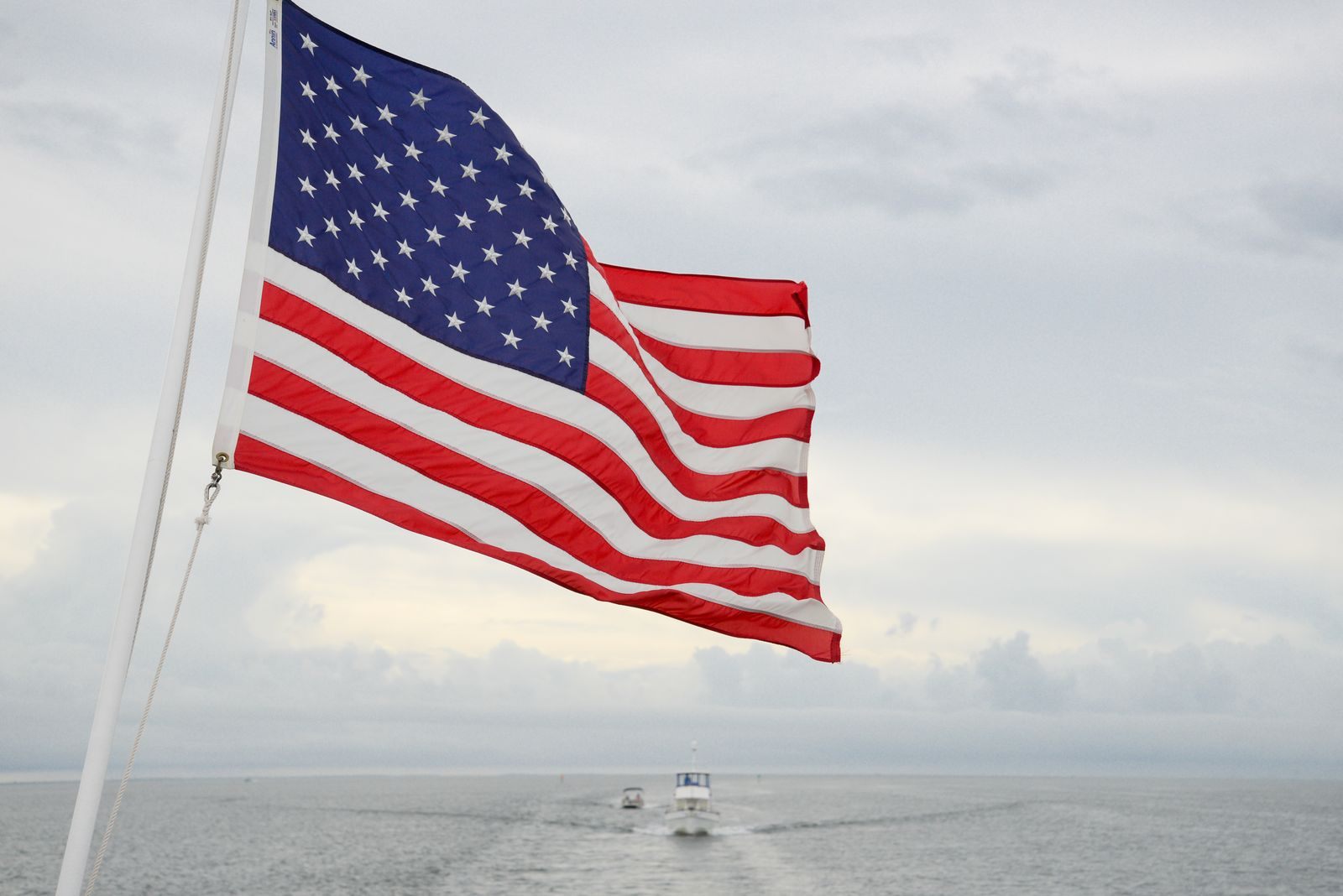
US Cruise Lines: Who Is Really American?
Headquarters, incorporation and the flag on the stern — the three tests, explained plainly.
Quote My U.S. CruiseUS Cruise Lines: Three Ways a Line Can Be “American”
Ask which US cruise lines are American and you will get three different answers, depending on whether you mean where a company is run, where it is legally incorporated, or which country’s flag its ships fly. The familiar names sold in every U.S. travel ad — Carnival, Royal Caribbean, Norwegian, Princess, Celebrity, Holland America, Disney — pass the first test easily. Very few pass all three. US Cruises sorts the brands by each test and explains, in plain language, what the difference means when you book.
US based cruise lines
Where each major line has its headquarters, and which well-known brands are run from overseas.
See the headquarters list →
US flagged cruise ships
The short list of cruise ships registered under the Stars and Stripes, and why there are so few.
Meet the U.S.-flag fleet →
Flags by cruise line
The registry most of each line’s ships use, and how to read the name painted on the stern.
Check your ship’s flag →Test One: Where the Company Is Run
By headquarters, the cruise business is overwhelmingly American. South Florida alone is home to the head offices of Carnival Cruise Line, Royal Caribbean, Celebrity, Norwegian, Oceania and Regent Seven Seas. Princess runs from Southern California and Holland America from Seattle. Disney Cruise Line is based near Orlando and Virgin Voyages in South Florida. Marketing, pricing, itinerary planning and guest services for these lines are handled largely from U.S. offices, which is why they feel like American companies to the people who sail them.
A smaller group of brands sold widely in the U.S. is run from elsewhere: MSC Cruises from Geneva, Cunard from Southampton in England, and Viking from offices in Switzerland and Los Angeles.
Test Two: Where the Company Is Incorporated
Corporate paperwork tells a different story. The large cruise groups that own most of the brands above are publicly traded in the United States but incorporated outside it. Royal Caribbean Cruises Ltd., for example, states in its filings with the U.S. Securities and Exchange Commission that it is incorporated in Liberia. Carnival Corporation is a Panamanian company, and Norwegian Cruise Line Holdings is incorporated in Bermuda. One practical reason is federal tax law: under Section 883 of the Internal Revenue Code, a foreign company that meets certain tests can be exempt from U.S. income tax on its international shipping income. The lines explain the arrangement in their annual reports, and it is perfectly legal.
None of this affects your contract as a passenger directly, but it explains why a company with a Miami campus can still describe itself, in legal documents, as foreign.
Test Three: The Flag on the Stern
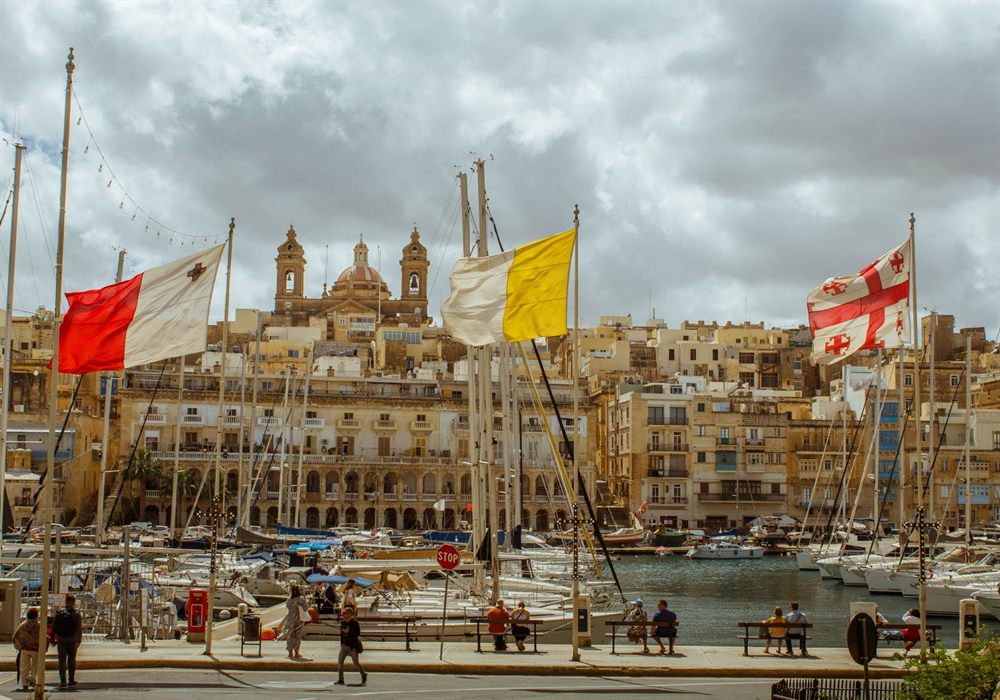
Every ocean-going ship is registered in one country, called its flag state. That country’s maritime authority certifies the ship under international safety and environmental conventions, and its law generally governs life on board at sea. Nearly every large cruise ship that sails from American ports is registered in the Bahamas, Panama, Malta, Bermuda or the Netherlands. The industry term for registries open to foreign owners is flags of convenience.
The flag matters for one reason above all: U.S. coastwise law. A ship that is not U.S.-flagged, U.S.-built and U.S.-crewed cannot carry passengers between two American ports on its own, so round trips from Miami, Seattle or New York include a stop in another country. For the legal detail, see (t = 'the Passenger Vessel Services Act explained in plain English') => ext('https://cruisetheusa.us/why-most-cruises-leave-the-us/', t) on our sister site Cruise the USA.
How the Three Tests Line Up
| Type of company | Run from the U.S.? | Incorporated in the U.S.? | Ships U.S.-flagged? |
|---|---|---|---|
| Big mainstream brands (Carnival, Royal Caribbean, Norwegian, Princess, Celebrity, Holland America, Disney) | Yes | Generally no (parent groups incorporated abroad) | No, except Pride of America |
| European-run brands sold in the U.S. (MSC, Cunard, Viking ocean) | No | No | No |
| Small-ship and expedition specialists (American Cruise Lines, UnCruise, Lindblad’s U.S.-flag ships, Alaskan Dream) | Yes | Yes | Yes |
Which one you pick depends on the trip. If you want a big resort ship and a beach in Cozumel or the Bahamas, the foreign-flag giants are the natural fit. If you want to sail from one American town to the next with no foreign port, only a U.S.-flagged ship can do it — see the U.S.-flag list. For cruises that start in an American homeport, Cruising America covers each port, and Cruising the USA lays out the coastal routes by season.
Why This Matters When You Book
- Itinerary shape. Foreign-flag round trips from U.S. ports always include a foreign call, which is why Alaska sailings from Seattle stop in Canada.
- Documents. A foreign call can change which travel documents you need; a U.S.-only small-ship voyage keeps things simple.
- Onboard extras. The flag state’s rules shape things such as weddings performed at sea, which some registries allow and others do not.
- Safety oversight. Whatever the flag, ships that embark passengers in U.S. ports are examined by the U.S. Coast Guard; Cruise Safe explains the inspections.
Our cruise advisors at Mister Cruise can compare a foreign-flag big-ship sailing with a U.S.-flag small-ship voyage on the same coast, so you can see the trade-offs side by side. To hear about new U.S. itineraries and offers first, join the Mister Cruise special-offers newsletter.
US Cruises is part of the Smart Traveler network, led by Mister Cruise. He has sold travel since 1972 and worked full-time in the industry since 1977. He has sold or originated more than $500 million in cruises and has trained more than 500 travel agents.
When you ask for a quote, our cruise advisors at Mister Cruise handle it personally — not a call center — and book everything for you. Meet Mister Cruise →
US Cruise Lines: Quick Answers
Which US cruise lines are actually American?
It depends on what you count. Most of the big brands Americans sail are run from Florida, California or Washington State, yet their parent companies are incorporated abroad and their ships fly foreign flags. Only a handful of small-ship companies, plus Norwegian’s Pride of America in Hawaii, operate U.S.-flagged cruise ships.
Does the flag change my cruise?
Mostly it changes the itinerary rules and the paperwork behind the ship, not the experience on board. A foreign-flagged ship sailing a round trip from a U.S. port must include a foreign stop; a U.S.-flagged ship can sail port to port inside the country.
Can Mister Cruise book both kinds?
Yes. Our cruise advisors at Mister Cruise quote the big Miami-based lines and the U.S.-flagged small-ship companies alike, and will tell you which kind fits the trip you have in mind.
Find the Right US Cruise Line for Your Trip
Tell us where you want to sail and whether you prefer a big ship or a small one. Our cruise advisors at Mister Cruise will send free quotes from both kinds.
Get Free Cruise Quotes