
Cruise Ship Flags of Convenience
Why a Miami-run ship flies a Bahamian flag — and what stays the same.
Quote My U.S. Cruise“Cruise ship flags of convenience” sounds like a loophole, and critics sometimes use it that way. The phrase simply describes open ship registries: countries that will register a vessel whatever the nationality of its owner. Almost every big cruise ship uses one. Here is how the system works, why cruise lines choose it, and what stays the same for you whichever flag is flying.
What a Flag of Convenience Is
Traditionally a ship flew the flag of its owner’s country. During the twentieth century, a number of states — Panama, Liberia and later the Bahamas, Malta and others — opened their registries to foreign owners. The International Transport Workers’ Federation coined the label “flags of convenience” for these registries and still campaigns on seafarers’ conditions under them. Shipping companies tend to call them open or international registries.
Registering a ship this way does not move the company. A line can be run from Miami, own its ships through a subsidiary and register each vessel in Nassau or Valletta.
Why Cruise Lines Choose Them
Where ships can be built
Open registries do not require a ship to be built in that country, so lines can order from the European yards that build most large cruise ships.
Crewing
Lines can recruit an international crew under the registry’s rules and international labor standards, rather than one nation’s domestic labor law.
Cost and tax treatment
Registration fees and tonnage-based taxes are generally lower, and the arrangement fits the international-shipping tax rules the companies rely on.
Familiar administration
Major open registries are experienced with large passenger ships and run worldwide survey networks.
What Does Not Change, Whatever the Flag
- International conventions. Cruise ships must meet the SOLAS safety convention, the MARPOL pollution rules and the Maritime Labour Convention for crew, whichever country registers them.
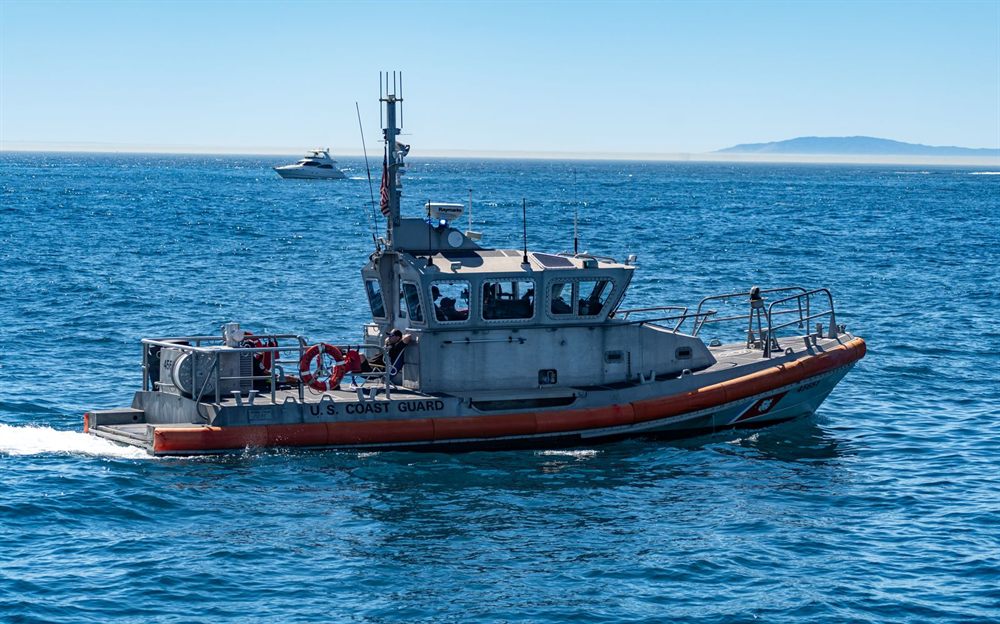
- Port state control. Countries inspect foreign ships calling at their ports. In the U.S., the Coast Guard examines foreign-flag passenger ships that embark passengers here; Cruise Safe explains how.
- Public health. Ships sailing from U.S. ports take part in the CDC’s sanitation inspections regardless of registry.
- Your ticket contract. The cruise line’s terms, written mostly under U.S. law for American sales, still set your rights on refunds, changes and claims.
What the Flag Does Change
The flag state’s law generally applies on board when the ship is on the high seas, and it decides some details passengers notice: whether the captain or an officiant may perform a legally recognized wedding at sea, which crew certification rules apply, and which authority investigates a marine casualty. For U.S. itineraries the biggest consequence is coastwise law. A foreign-flagged ship cannot carry passengers between two U.S. ports alone, so its itineraries add foreign calls — Victoria or Vancouver on Alaska runs, Ensenada on some West Coast trips, the Bahamas or Mexico from Florida and Texas. Our sister site walks through that rule, and Cruising America shows how it shapes cruises from each U.S. homeport.
To see which registry your own ship uses, go to what flags cruise ships fly.
Questions About Your Ship’s Flag? Ask Us
Our cruise advisors at Mister Cruise can tell you where your ship is registered and what that means for your itinerary and documents, then quote the sailing free.
Get Free Cruise Quotes